
AIR QUALITY AND SURFACE SANITATION TESTING
Powerful, Cost-Effective Solutions
We can help you identify, understand, and address Air Quality and Surface Sanitation Issues.
This site contains information that will help protect you and your family.
Our Services
Identifying irritants in your environment.
Conducting mold and fungi testing to assess environmental safety.
Identification of specific environmental pathogens, including toxic mold.
Certified by the Professional Mold Inspection Institute for conducting mold inspections in both residential and commercial settings.
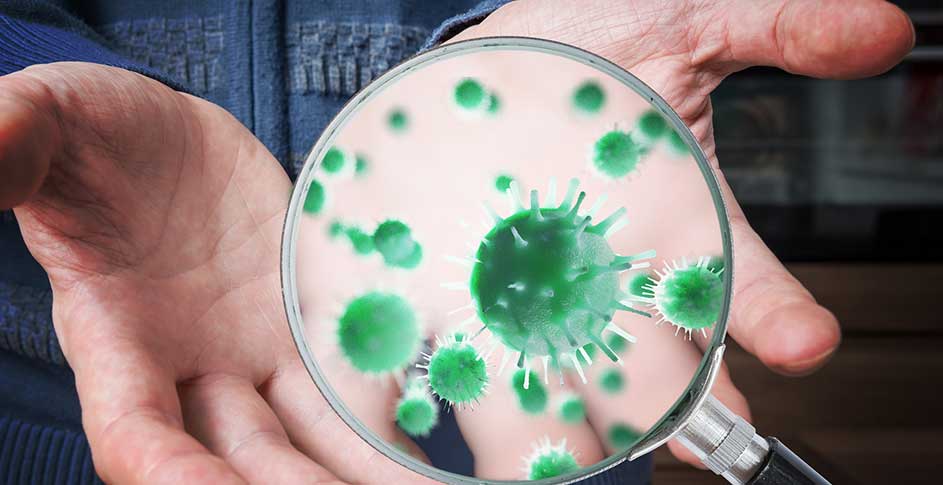
Reducing pathogens in the air and on surfaces, including flus, colds, and the virus that causes COVID-19
Reducing and eliminating persistent odors to improve the air quality.
Identifying and reducing volatile organic compounds that negatively impact health.
Measuring excess moisture levels that exacerbate environmental problems.
Serving Santa Barbara and Ventura Counties
Call or Text Sid: (805)232-7491
Air & Surface Testing Procedures
WHAT TO EXPECT FROM YOUR TEST
Our comprehensive testing methodology uses three procedures to measure pathogens and irritants.
PROCEDURE #1
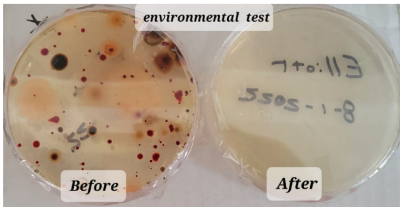
Petri Dish Test Shows What’s Growing in the Environment
One or more petri dishes are used to conduct this test. The dish must remain in the environment for about one hour in order to capture relevant pathogens. It will take approximately 72 hours to return the results from this test. It will show:
❖Bacteria
❖ Mold
❖ Mildew
❖ Fungi
❖ Yeast
PROCEDURE #2
Air Quality Detector Test Measures Active Compounds
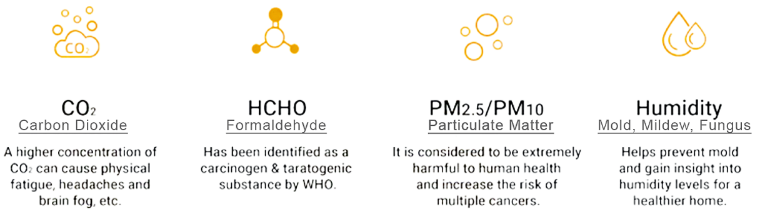
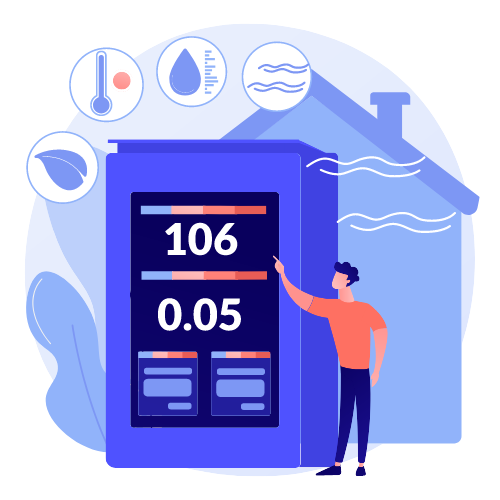
This airborne particulate matter and volatile organic compound test is done with a state-of-the art handheld device. It provides information on the levels of the following:
PROCEDURE #3
Mycotoxin Laboratory Verification
We also provide a surface tape lift test to identify specific mycotoxins. This test offers a more comprehensive analysis of the type of mold that may be present in your indoor environment. However, it is important to note that the results of this test may depend on the presence of live mold in the space. Our team of experts can guide you through the testing process and provide detailed insights to help you make informed decisions.

AIR QUALITY INFO
WARNING: INDOOR AIR POLLUTION IS A HEALTH RISK
Do you have headaches, dizziness, and fatigue? Struggle with allergy or asthma symptoms?
We've compiled important information about air quality, surface sanitation, and your health.
WHAT IS INDOOR AIR POLLUTION? AND WHY
DOES IT MATTER?
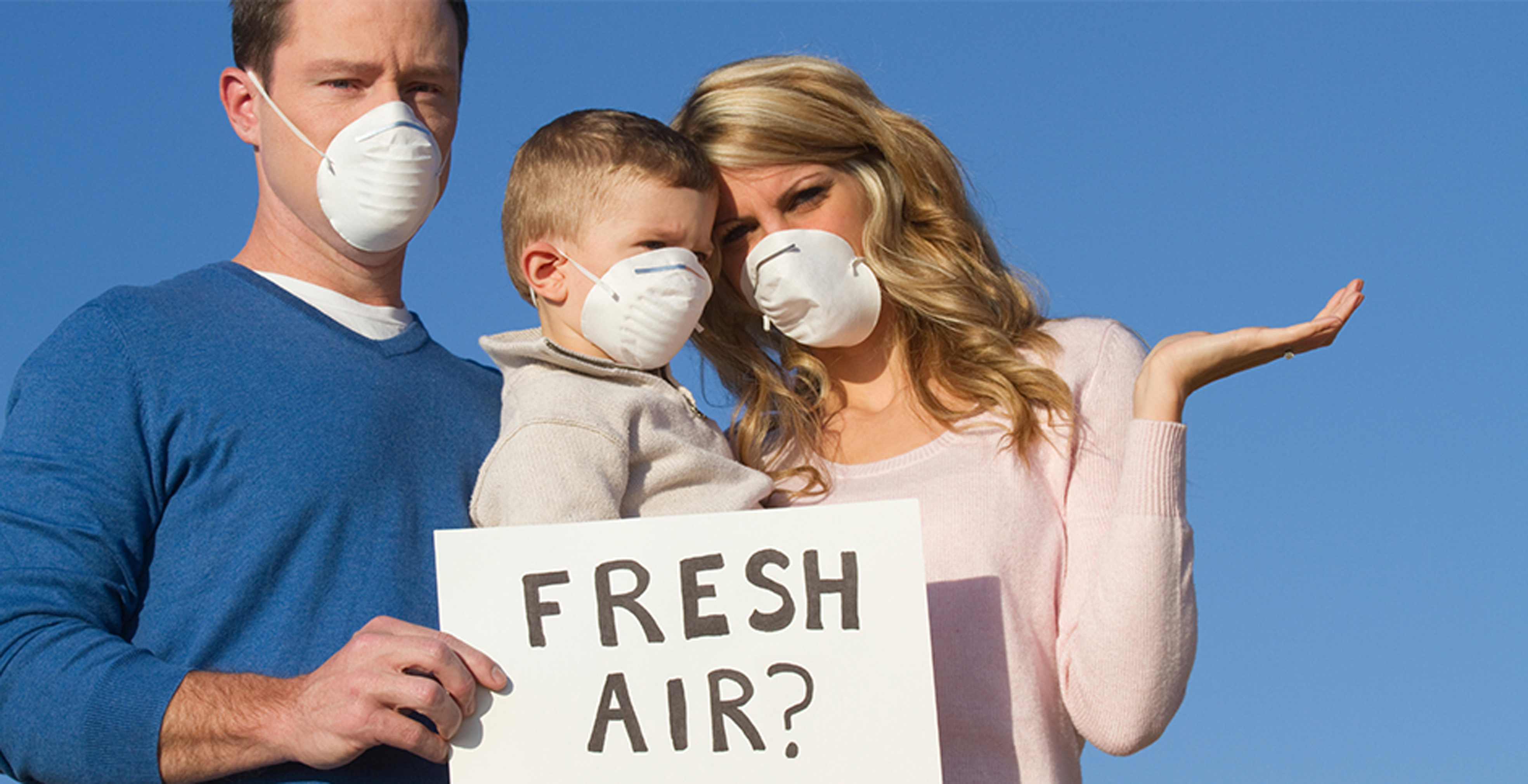
If you or anyone you know if experiencing any of these symptoms, it may be because of poor air quality...
HEALTH RISKS OF PARTICULATE MATTER

Many people's lungs feel irritated when breathing air high in particulate matter. The good news is, this is one of the easiest problems to solve with good air purification...
WHAT IS INDOOR AIR POLLUTION?
WHY DOES IT MATTER?
If you or anyone you know if experiencing any of these symptoms, it may be because of poor air quality...
PARTICULATE MATTER & YOUR HEALTH
Many people's lungs feel irritated when breathing air high in particulate matter. The good news is, this is one of the easiest problems to solve with good air purification...
PATHOGEN REDUCTION

You already know that washing your hands and not touching your face helps reduce the likelihood of getting sick. You may not understand another thing you can do: improve your air quality...
SURFACE SANITATION
We are on a mission to protect indoor spaces and support healthy, clean air for everyone. Here's some info about reducing VOC's in your home that will help you breathe easy...
PATHOGEN REDUCTION
You already know that washing your hands and not touching your face helps reduce the likelihood of getting sick. You may not understand another thing you can do: improve your air quality...
VOC'S & AIR QUALITY & ASTHMA

We are on a mission to protect indoor spaces and support healthy, clean air for everyone. Here's some info about reducing VOC's in your home that will help you breathe easy...
WHAT IS INDOOR AIR POLLUTION? WHY DOES IT MATTER?
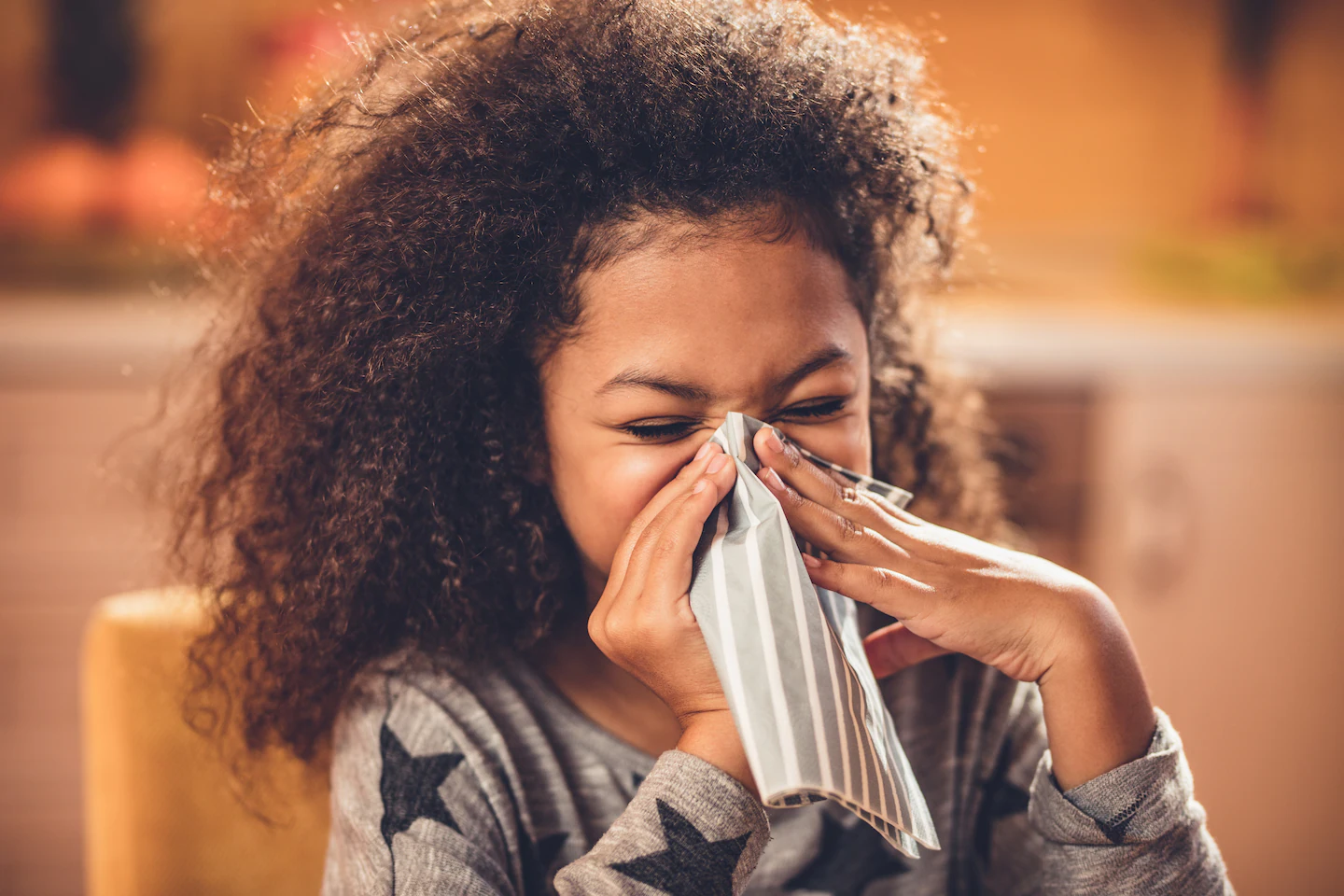
If you or anyone you know if experiencing any of these symptoms, it may be because of poor air quality.
Irritation of the eyes, nose, and throat
Headaches
Dizziness
Fatigue
Asthma symptoms may be aggravated or worsened
The likelihood of immediate reactions to indoor air pollutants depends on several factors including age and pre existing medical conditions. Certain immediate effects are similar to those from colds or other viral diseases, so it can be difficult to determine if the symptoms are a result of exposure to indoor air pollution.
The long-term effects of exposure can include:
Respiratory diseases
Heart disease
Cancer
Long-term effects may show up either years after exposure has occurred or only after long or repeated periods of exposure. This is why it is important to try to improve the indoor air quality in your home even if symptoms are not noticeable immediately.
SURFACE SANITATION IS ESSENTIAL
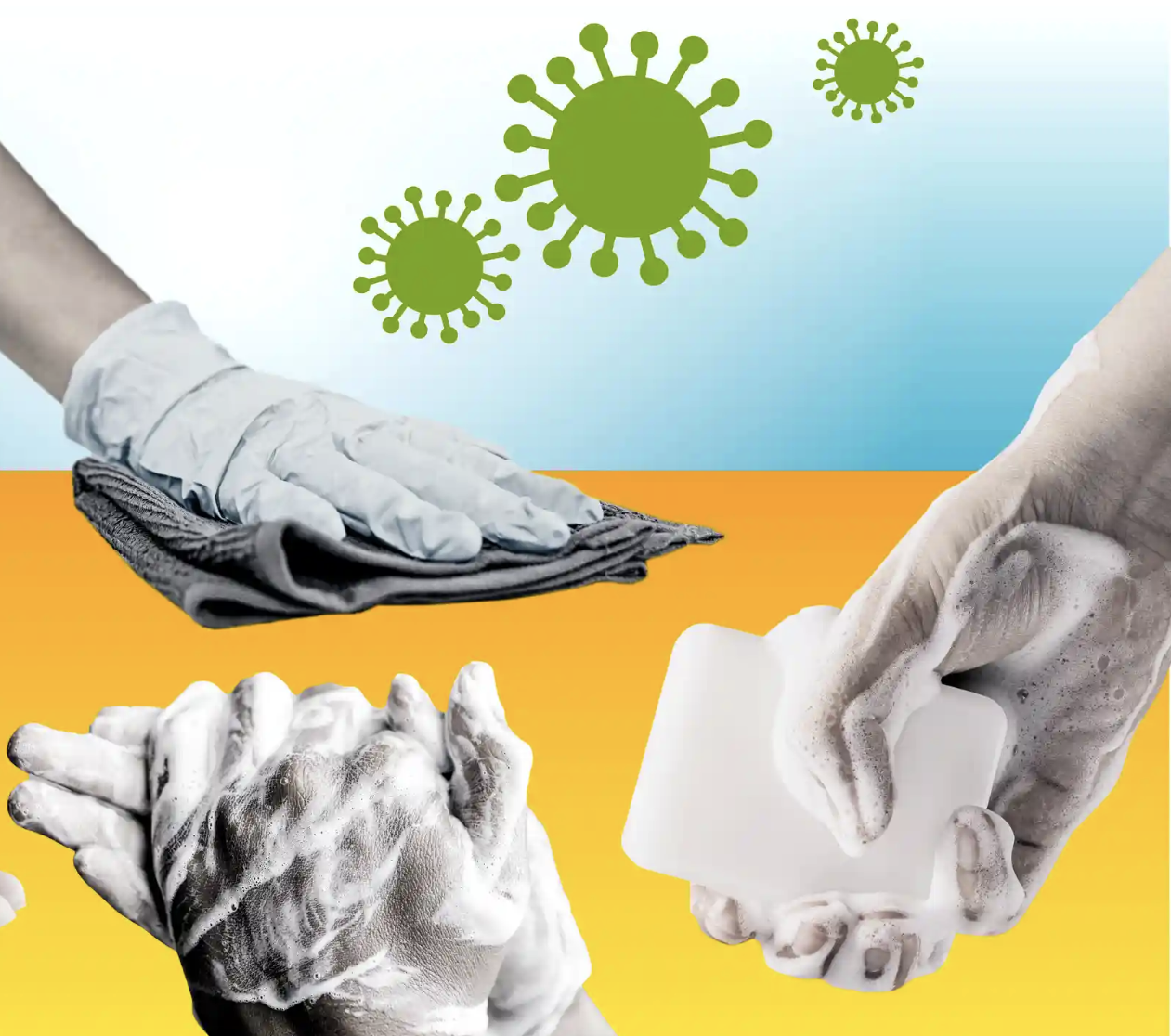
Keeping indoor spaces clean means more than what you can see with the naked eye. It’s easy to dust, polish or wipe down home surfaces and assume they are clean. It’s what you can’t see that can make you sick. You can’t see germs that can cause illnesses like Salmonella, the flu or E. coli. Without proper disinfecting, these are germs that will thrive on the surfaces in your home and eventually infect people.
Many dangerous pathogens spread quickly on surfaces, like MRSA, RSV and Hand, Foot, and Mouth Disease. According to Anders Hakansson, PhD, “Commonly handled objects contaminated with these biofilm bacteria could act as reservoirs of bacteria for hours, weeks or months, being vehicles of spread upon contact.”
We have solutions that can help you keep surfaces sanitized without tedious constant wiping. And, if you're using harmful chemicals to sanitize surfaces, we can help you eliminate this harmful practice.
According to the WSU lab for health and the environment, "The COVID-19 pandemic has led to greater use of disinfectants and cleaning products. However, it seems that many people do not understand the efficacy of certain products and chemicals, how much to use, and the dangers associated with various toxic chemicals inside “cleaning products”. These convenient and easily available products may contain toxic substances for humans, animals and the environment." (1)
Our Surface Sanitation Test can identify harmful pathogens, many of which live on the surfaces of your indoor spaces.
We have solutions for surface sanitation that are safe for people, pets, plants, and the environment.
PATHOGEN REDUCTION
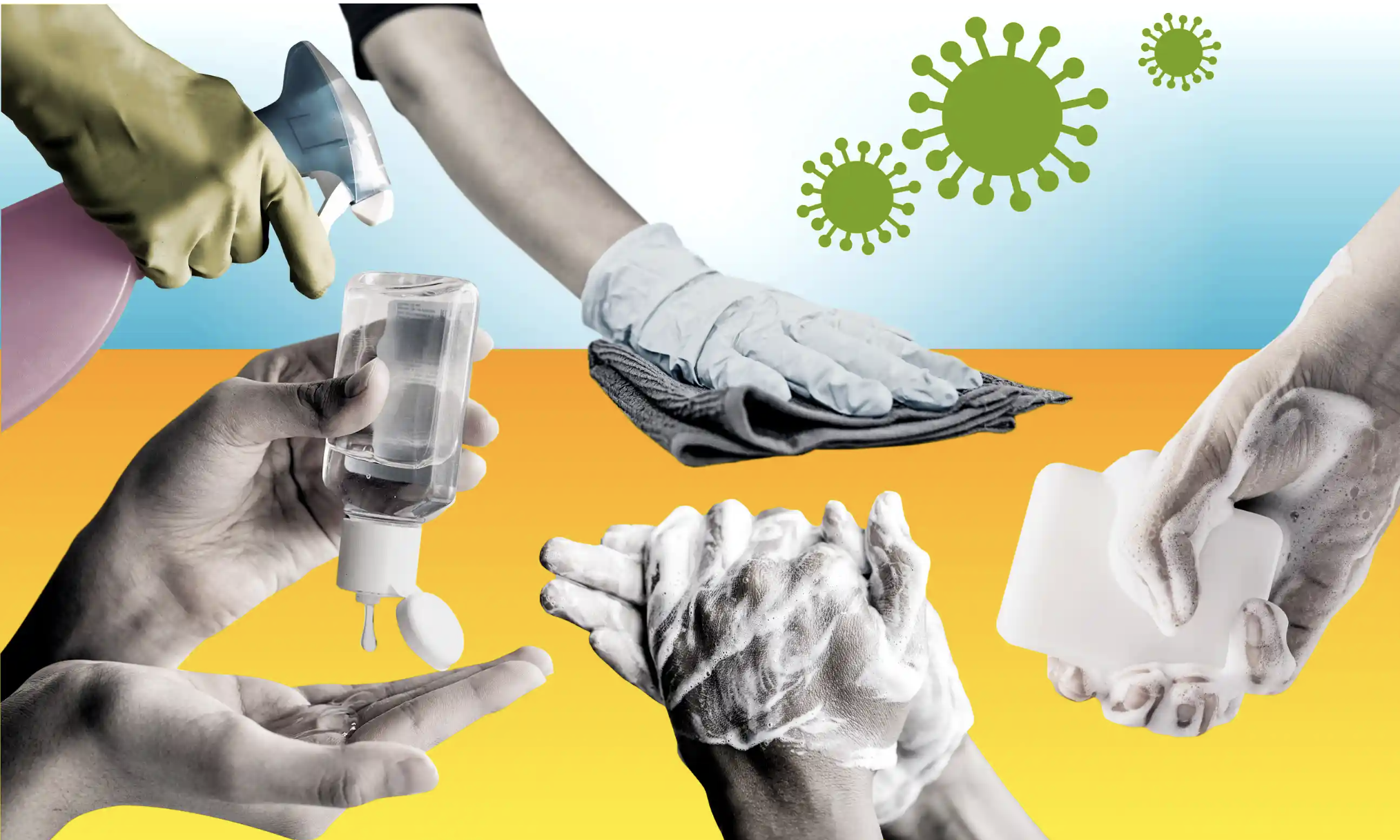
You already know that washing your hands and not touching your face helps reduce the likelihood of getting sick. You may not understand another thing you can do: improve your air quality.
There is a solid and surprising link between air pollution and the spread of communicable diseases. Yep, you read that right; Air pollution can affect how easy it is for you to catch germs.
For instance:
A 2020 study found that in the Netherlands, a municipality with more particulate matter will have 9.4 more COVID-19 cases.
High particulate matter has been shown to increase the risk of influenza-like illnesses.
A 2021 study connected higher rates of smog with higher rates of COVID-19, independent of other factors.
Air pollution levels are definitely connected to higher rates of communicable disease, and research shows that poor communities are exposed to elevated levels or air pollution.

So while humanity is working on reducing air pollution, what can you do about your personal indoor air quality?
Follow healthy habits such as hand-washing.
Stay home if sick and take steps to avoid infecting others, like wearing a mask.
Practice source control to reduce pollutants in your home.
Test your air quality at home to see what types of contaminants are in the air and on surfaces. If your air quality and surface sanitation is poor, invest in an air purifier. We can help you select one will significantly reduce the irritants and pathogens that are problematic in your indoor space.
VOlatile organic compounds (VOC)
We are on a mission to protect indoor spaces and support healthy, clean air for everyone. Here's some info about reducing VOC's in your home that will help you breathe easy. Most people don’t give this topic much thought until VOC related symptoms seem to not go away and doctors give a diagnosis like “Most likely environmental”.
What are VOCs anyway? VOC stands for “Volatile Organic Compound.” These substances are “volatile” meaning they evaporate easily and “organic” meaning they contain carbon. They tend to enter the air of homes and businesses via a wide range of substances—paints, carpets, furniture, smoking, heating…the list goes on and on. Nearly any new product is going to offgas a certain amount of VOCs.

Strong Evidence Links VOCs to Asthma and COPD
Asthma is the most common chronic disease of childhood in the developed world and its prevalence appears to have increased significantly over the past 30 years. Observations indicate that the rising prevalence has coincided with modifications to the home environment such as the introduction of soft furniture, fitted carpets, air conditioning, and central heating. The indoor environment should be of crucial importance since infants and elderly often spend more than 80% of their time indoors at home. The newer the home and the more insulated and air sealed the home is the greater the concern because the VOC’s are effectively trapped inside. Read what the American Lung Association has to say about it HERE.
Our Air Quality Test measures a common VOC - Formaldehyde ( CH2O ).
Any building with a lot of new pressed wood is at risk for high formaldehyde levels. Other sources can include dry-cleaned clothes, certain hair treatments, tobacco smoke, and combustion. Indications of high formaldehyde can include watery eyes, coughing, wheezing, nausea, and skin irritation. It may also cause burning sensations in the eyes, nose, and throat. We can assess and help you reduce the level of VOC's in your indoor space.
ASTHMA & ALLERGIES
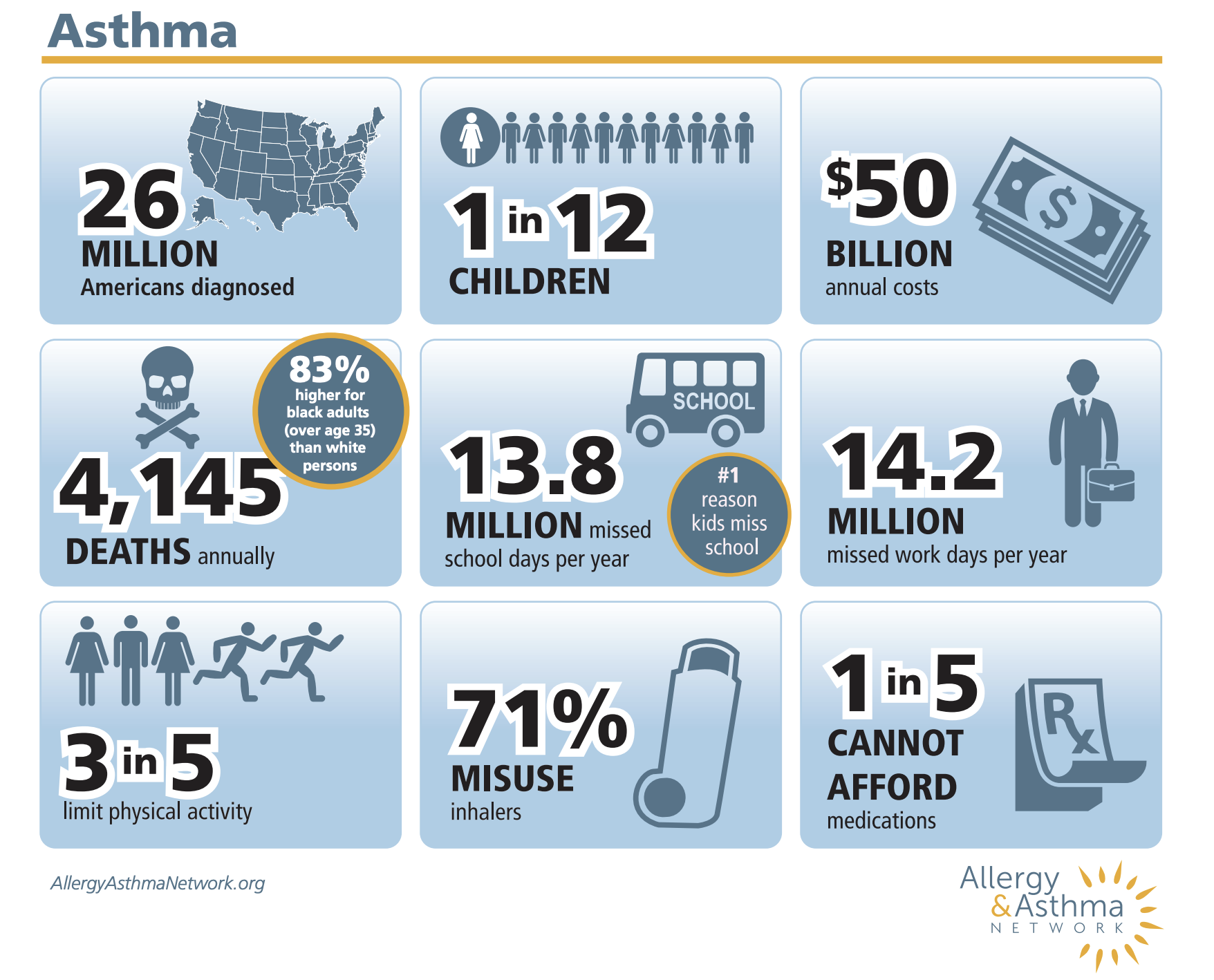
Researchers have long linked asthma— a serious and life threatening chronic respiratory disease that affects the quality of life of more than 23 million Americans— with exposure to air pollution. Air pollution can make asthma symptoms worse and trigger asthma attacks.
Children are more susceptible to the effects of contaminated air because they breathe in more oxygen relative to their body weight than adults. According to the Asthma and allergy network, 1 in 12 children of school age has asthma, which is the leading cause of school absenteeism due to chronic illness. There is substantial evidence that indoor environmental exposure to allergens (such as dust mites, pests, and molds) triggers asthma symptoms.
These problems can be linked to: combustion sources such as oil, gas, kerosene, coal, wood, and tobacco products; building materials and furnishings as diverse as deteriorated, asbestos-containing insulation, wet or damp carpet, and cabinetry or furniture made of certain materials like pressed wood products; products for household cleaning and maintenance such as lysol; central heating and cooling systems and humidification devices; and outdoor sources such as radon, pesticides, and outdoor air pollution.There is also evidence that exposure to diesel exhaust from school buses and other vehicles exacerbates asthma and allergies.
HEALTH RISKS OF PARTICULATE MATTER
Many people's lungs feel irritated when breathing air high in particulate matter. The good news is, this is one of the easiest problems to solve with good air purification.
Particulate matter is a catch-all phrase for everything small enough to be suspended in the air, but which isn’t a gas or a microbe. This includes annoying but relatively mundane things like desert sand, sea salt, pet dander, and pollen. However, it also includes things which tend to be more hazardous, such as smoke from wildfires or exhaust from power plants.
Though particulate matter can vary widely in size, regulators tend to split them into two categories abbreviated as PM10 and PM2.5. PM10 refers to particulate matter around 10 microns (one millionth of a meter) or smaller. PM2.5 refers to particulate matter around 2.5 microns or smaller. In general, the smaller the particle, the more danger it poses to human health.
Most large particulate matter comes from natural sources such as dust, pollen, or mold. However, construction, landfills, and agriculture may also contribute.
By contrast, most (but not all) smaller particulate matter tends to come from human activities. PM2.5 is created by cars, factories, power plants, road construction, cigarette smoke, trash burning, and many other industrial activities. However, forest fires also create smaller PM2.5 pollution.
How can you reduce it?
Source Control (no smoking indoors!)
Ventilation (if outdoor air quality is good)
Invest in an high quality Air Purifier
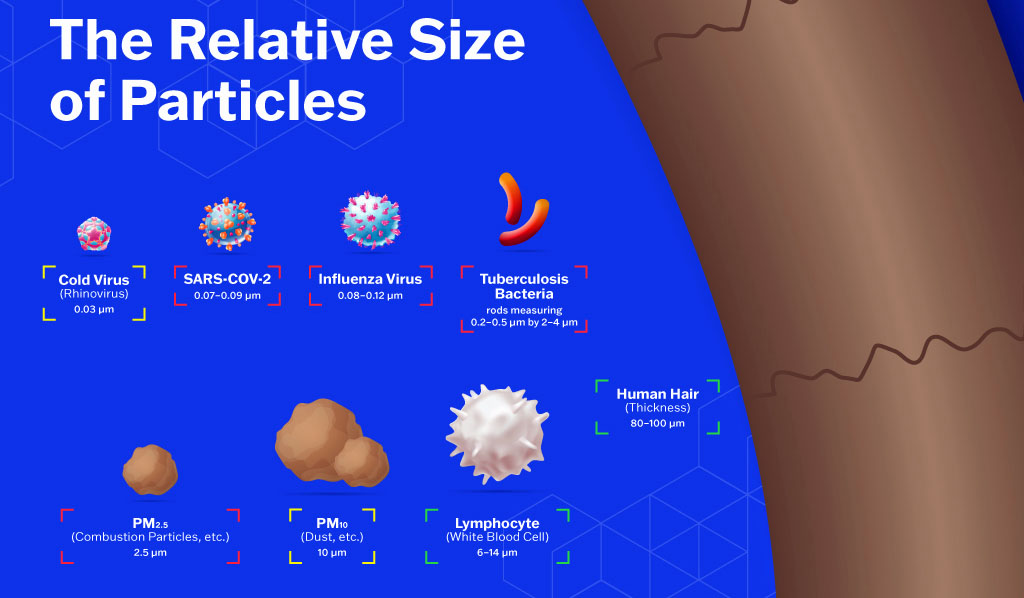
Our Air Quality Test measures particulate matter in the air, and if this is an issue in your indoor space, we can recommend an air purification solution.
QUESTIONS OR CONCERNS? WE'D BE HAPPY TO CHAT!



Copyright © 2023 Advanced Clean Air Solutions
351 Paseo Nuevo 2nd Floor #1033
Santa Barbara, CA 93101
Call or Text: (805) 232-7491
Email: [email protected]